Table of Contents
Join Thousands of Hotels Thriving with roommaster
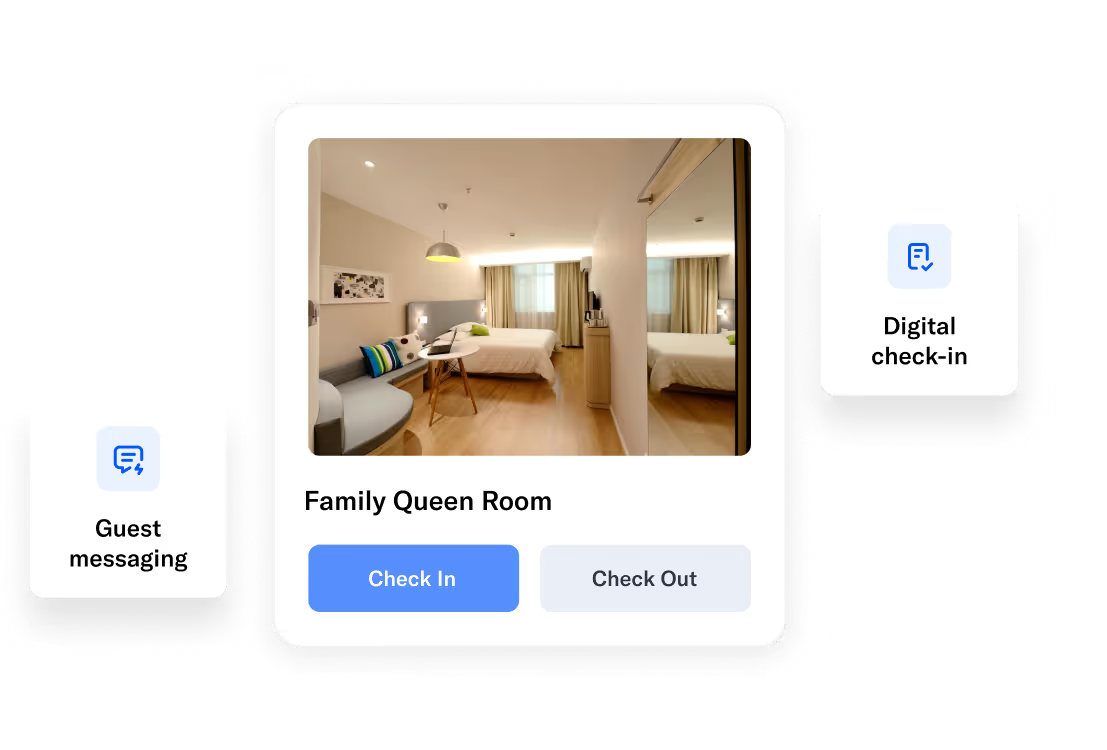
The transition to roommaster is straightforward and efficient. Our implementation team handles data migration including reservations, guest profiles, and historical information.

Hotel operations involve every department, from the front desk and housekeeping to facilities maintenance, marketing, and HR. And among all the facets of the hotel business, the hotel industry offers the greatest opportunity to improve performance and optimize commercial outcomes. When everything runs smoothly, the hotel operations manager oversees happier guests, more engaged hotel staff, and a better bottom line for the hotel management team.
In this article, we will explore how effective hotel operations management drives guest satisfaction, boosts revenue management, and empowers hotel operators to achieve operational excellence.

Hotel operations cover everything needed to run a hotel each day, from welcoming and looking after guests to managing departures and cleaning rooms. It brings together tasks performed across arrivals, stays, and departures.
In general, hotel operations are divided into three main areas, including:
All the different parts of hotel operations must operate together smoothly. That means every department must be connected and communicate clearly and quickly with one another. Only when the teams act in sync can the hotel deliver consistently high‑quality guest service.
For instance, when a front desk associate records a guest request in the hotel management software, the housekeeping team acts based on that information, the maintenance department may fix physical issues, and the back‑office records the impact on guest history and tracks cost control.
Good operations management impacts every guest's stay and the overall hotel business. Here are four key reasons that show why effective hotel operations matter in hospitality:
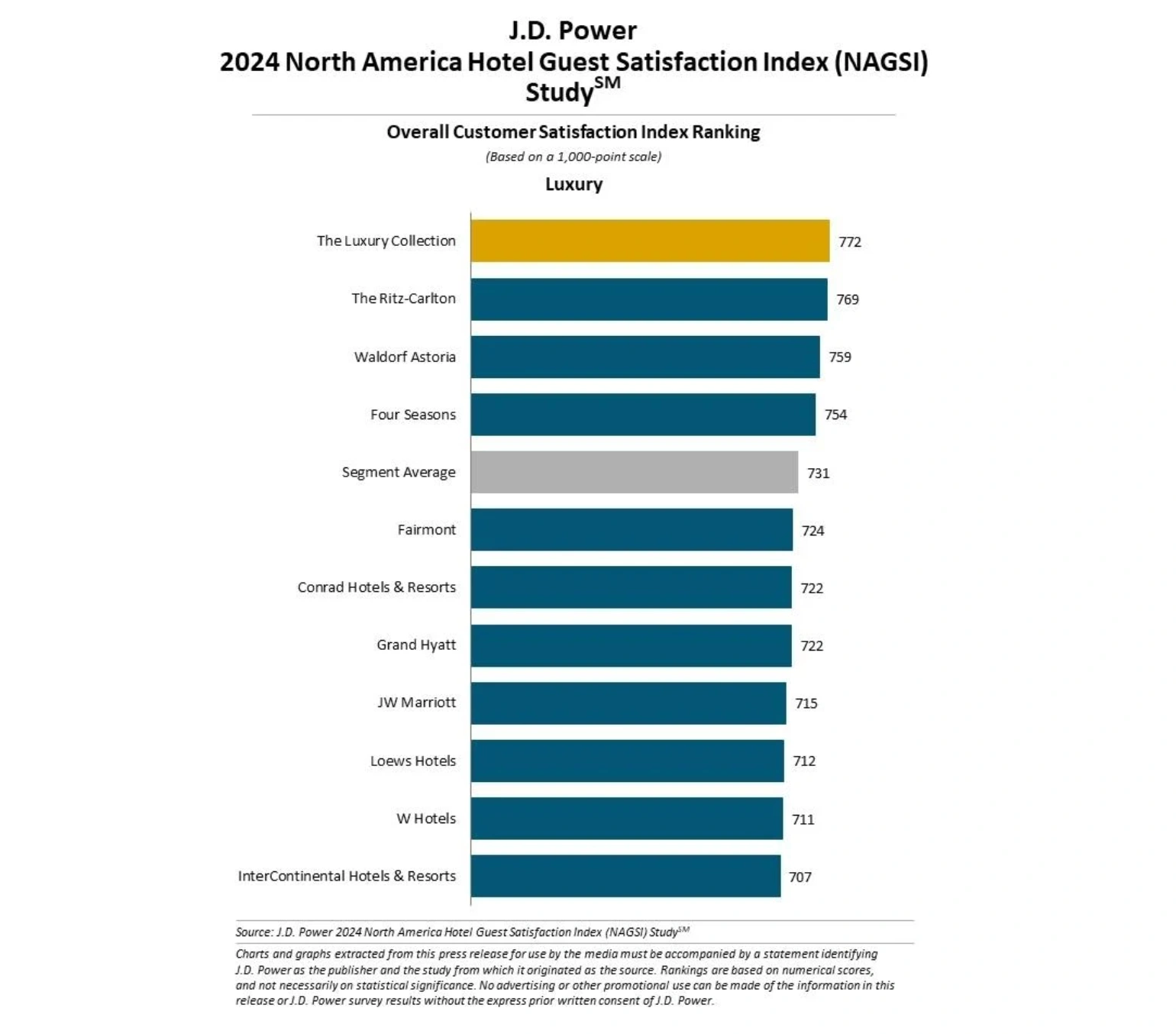
When a hotel operations manager oversees every interaction from check‑in to check‑out, the guest experience improves significantly. According to the 2024 North America Guest Satisfaction Index from J.D. Power, luxury and upper-upscale properties achieved high satisfaction even with higher room rates, while limited‑service segments saw declines.
Here’s how leading luxury hotel brands rank in overall customer satisfaction:
Meanwhile, global guest review benchmarks reported a Global Review Index (GRI) of 86.0% in Q3 2024 for the hospitality sector. Because guest satisfaction drives positive reviews and repeat stays, hotel operations are fundamental to the hotel's success.
Strong oversight across key departments enables hotel managers to charge premium rates while maintaining high customer satisfaction. A recent industry report found that 82.3% of hoteliers are using a revenue management system (RMS) in 2024, up from 67.6% in 2022, which helps capture higher room rates and boost the bottom line.
When hotel technology and property management system tools support service teams, guest rooms, front desk operations, and the food and beverage department, operations run better. This allows hotel managers to charge higher rates and maintain strong occupancy. Revenue optimization from a hotel PMS like roommaster transforms independent hotels into revenue powerhouses with enterprise‑level yield management that is both powerful and accessible.
The best part is that roommaster PMS integrates with the AI‑driven ampliphi RMS, which redefines hotel pricing intelligence by combining automation and AI‑driven insights to increase revenue, maximize profitability, and optimize pricing dynamically to drive RevPAR. In fact, hotels that implement our dynamic pricing typically experience a 15‑20 % increase in RevPAR within their first year, capturing revenue that would otherwise go unclaimed.
When teams like the housekeeping or maintenance departments operate with fixed processes and clear task flows, hoteliers can reduce waste, cut excess costs, and improve operational efficiency. One digital‑hotel report shows that technology can reduce operational costs by an average of 20% in properties that apply it effectively.
This kind of savings gives freedom to invest in guest service and innovation across the property. When the operations manager governs inventory, housekeeping, maintenance, and food & beverage with discipline, the hotel achieves greater operational efficiency and healthier profit margins.
Service quality from hotel staff across front-of-house, back-of-house, and back‑office roles shapes how guests talk about their stay. Guests who have positive experiences post reviews and share stories, which helps hotel guests choose you over competitors. Happy guests lead to higher room occupancy and improved hotel performance.
For example, Guest review response rates in Asia‑Pacific in 2024 reached 58 %, and hotels that responded to 40‑45 % of reviews saw up to 2.2x more booking revenue than those that did not. When guest feedback is managed and acted upon, the hotel's brand value rises and its guest service reputation strengthens, which gives the hotel pricing power and loyalty in the industry.
Improving how a hotel runs takes intentional effort across people, process and systems. The right approach to hotel operations can deliver measurable gains for both guest service and the hotel business itself:
When you invest in hotel operations technology and infrastructure, you position your property to grow while maintaining quality. For example, properties that adopted digital tools for operations reported a 20% average reduction in operational costs, according to recent industry research.
A hotel can witness a 12 % increase in revenue within six months of upgrading its guest‑room inventory system. With strategic investment, your hotel builds capacity to deliver more service without proportional cost increases, and you protect your margins.
A robust operations management framework empowers hotels to build a culture of excellence, attract top‑tier talent, reduce turnover costs and realise cross‑training benefits. When team members receive systematic training on guest interactions, hygiene protocols and service recovery, they become ambassadors of the guest experience rather than mere task‑workers.
That culture of excellence helps hotels recruit strong candidates who value career pathways, raising retention and reducing the typically high costs of turnover (which can run 30‑50 % of a role’s salary). Additionally, by cross‑training front‑desk staff to assist in housekeeping or concierge roles during peak periods, hotels can optimise staffing levels, preventing over‑hiring and improving overall labour productivity.
Putting the guest at the centre of your decision‑making helps the hotel business thrive through stronger guest feedback, repeat bookings and guest service referrals. A recent figure shows that hotels using data analytics for operations decision‑making report a 45 % improvement in revenue potential.
When the front desk handles guest check-in efficiently, the housekeeping and maintenance departments proactively resolve issues, and the food and beverage department responds quickly to guest requests, the guest experience improves and guest satisfaction rises.
The hotel operations manager, who connects all these departments, helps convert guest feedback into actionable improvements. That strengthens your brand and gives your property a competitive edge within the hotel industry.
Technology has become the backbone of modern hotel operations. Implementing the right tools not only improves efficiency but also boosts guest satisfaction. Here’s how:
A solid PMS is essential for managing reservations, guest information, and billing processes in one place. Automation capabilities, such as integrated check-in and check-out systems, save time and reduce human error. Moreover, a PMS that integrates with other systems, like revenue management or guest services tools, enhances operational coordination.
roommaster stands out as an advanced PMS with a user-friendly interface, real-time updates, and automation features that simplify daily hotel management. By providing seamless integration with third-party tools, roommaster helps increase operational efficiency and enhance the guest experience.
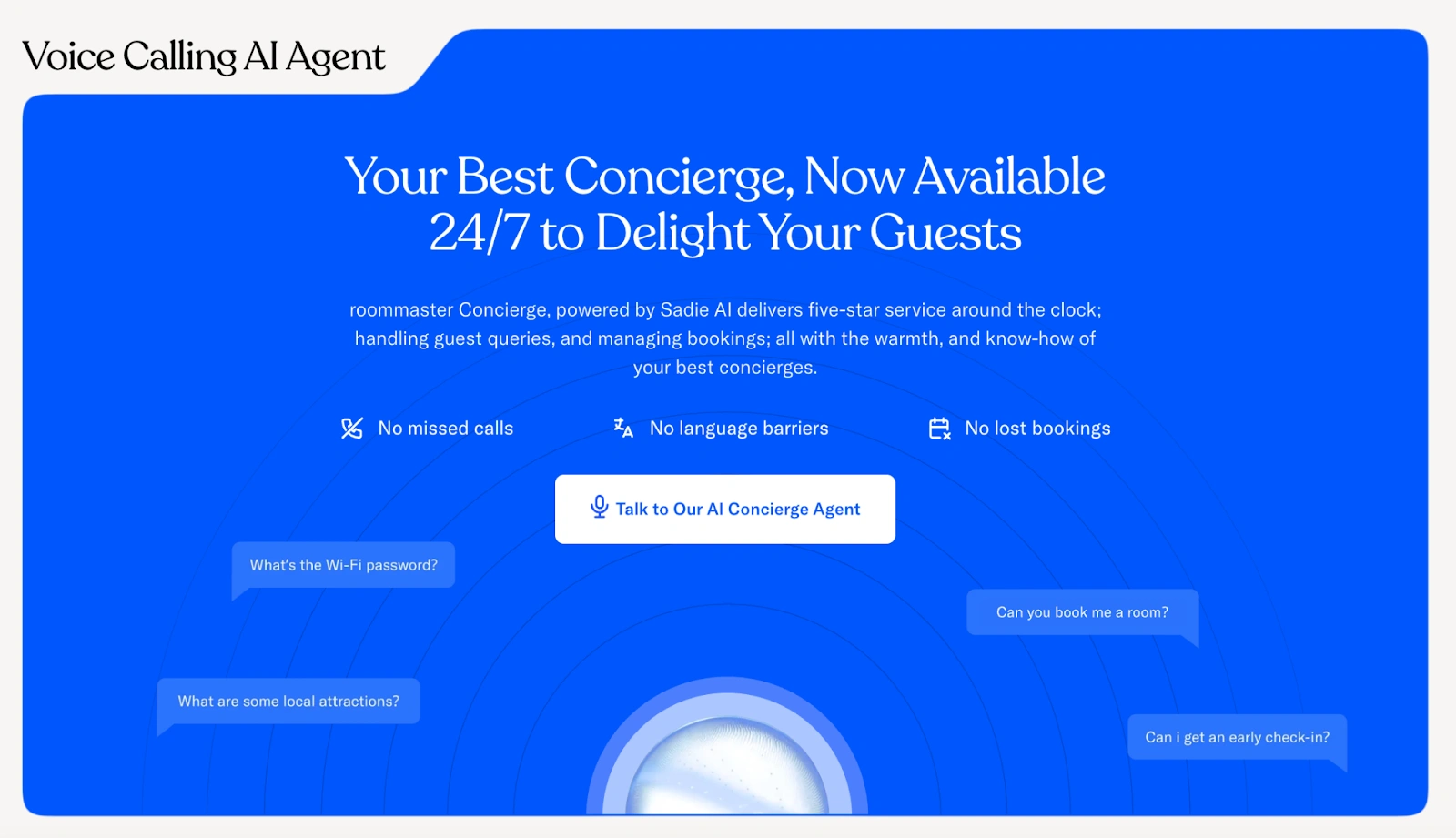
The use of AI and chatbots has transformed guest services. These tools efficiently handle guest inquiries, offering instant responses 24/7. For example, Marriott and Hilton have adopted AI-based chat services to assist guests with booking, special requests, and room service, significantly improving their customer service experience. With these systems in place, hotels can answer frequently asked questions without needing constant human interaction, freeing up staff to focus on more complex requests.
The roommaster AI Concierge takes this a step further by offering personalized, real-time assistance to guests through various digital channels. Guests can easily make requests, check amenities, and even get local recommendations, all powered by AI, ensuring seamless communication without waiting for human intervention. The AI Concierge can handle frequent queries such as restaurant hours, spa services, and transportation details, allowing staff to focus on more personalized or complex guest needs.
{{concierge-two}}
Mobile check-in and digital room keys are among the most popular contactless technology innovations in the hotel industry. Guests can check in, access their rooms, and even make payments, all through their smartphones.
In fact, Hyatt and Hilton have introduced mobile check-in and contactless payments, ensuring a smooth and safe stay for their guests.
Smart IoT-enabled controls and voice activation have become common features in modern hotel rooms. Hotels like Aloft have integrated Alexa into their rooms, allowing guests to control lighting, temperature, and more with simple voice commands.
Additionally, energy management systems help hotels reduce energy consumption by automatically adjusting room conditions when unoccupied, thereby improving sustainability and reducing costs. These smart room features not only create a modern, luxurious experience for guests but also improve operational efficiency by reducing energy costs.
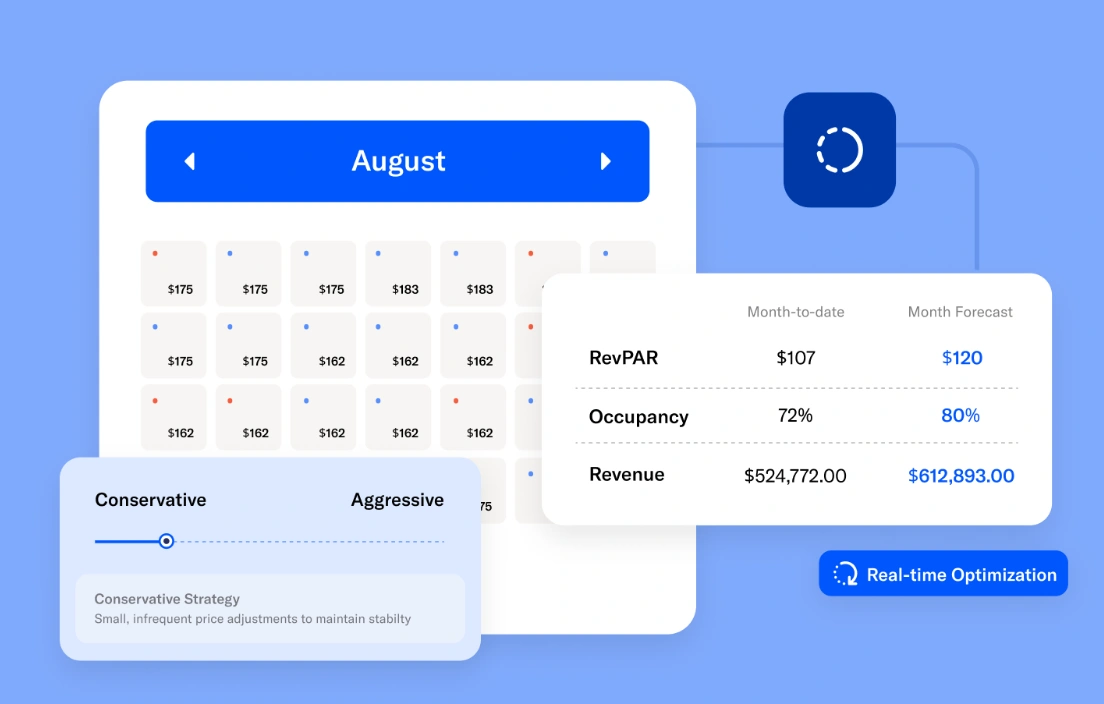
A revenue management system (RMS) uses dynamic pricing engines to adjust room rates in real time based on demand, competition, and other factors. The system enables hotels to maximize occupancy and optimize pricing strategies. Advanced RMS tools also integrate with channel management systems, allowing hotels to manage rates across multiple booking platforms seamlessly. This integration ensures pricing consistency and prevents overbooking.
roommaster offers seamless integration with ampliphi RMS, providing a robust AI revenue management solution. The combined system helps properties make data-driven decisions for rate adjustments, demand forecasting, and channel management, ultimately improving profitability by optimizing room pricing and availability across multiple platforms.
The power of data analytics allows hotels to track guest behavior and monitor operational performance. With real-time insights, hotels can identify trends, measure guest satisfaction, and make data-backed decisions for continuous improvement.
Predictive analytics is another key feature that helps hotels forecast occupancy and revenue, enabling them to optimize pricing and staffing.
📌Also read: Hotel Preventive Maintenance Checklist
Hotel operations management comprises several key components that work together to ensure the smooth, efficient functioning of a hotel. These components are integral to providing a positive guest experience and achieving financial success in the hospitality business:
The front office sets the first impression for guests through reservations, the front desk, guest check-in and check‑out processes, and concierge services. For example, in India, the hotel industry's annual occupancy in major markets reached over 80 % in November 2024, while average room rates rose 11‑13 % year‑over‑year.
To deliver a seamless, personalized experience, hotels are streamlining processes and equipping staff with the right tools. Some of the implementation tactics include using real-time dashboards to monitor reservations and occupancy trends. In this scenario, the roommaster hotel PMS provides unified reservation, check‑in, and guest profile management on a single platform.
The housekeeping department is responsible for maintaining cleanliness in all guest rooms, public areas, and back‑of‑house zones to ensure guest safety and comfort remain high. A 2025 industry overview found that 64.9% of hotels globally still report labour shortages, which directly affects housekeeping turnaround times and guest room readiness.
To address this, hotels are using mobile task management apps, scheduling preventive maintenance, and linking room status with the front desk in real time. The roommaster Operations Suite and Housekeeping Management connect housekeepers, the front desk, and maintenance teams in a single system, improving efficiency and ensuring timely room readiness.
The food and beverage department handles all dining, bar, room service, and banquet operations, playing a significant role in guest satisfaction and total hotel revenue. For example, a hotel chain near major infrastructure development sites reported a 5 % increase in RevPAR in 2024.
To leverage this, hotels are designing high-margin packages (room plus banquet), upselling add-ons at check-in, and training staff in service delivery. For example, the roommaster Revenue & Finance Suite and the Rate Builder link F&B packages with room bookings, helping optimize both service and revenue.
The maintenance department supports guest comfort and safety by keeping equipment, guest rooms, and facilities fully functional. According to a report, the U.S. hotel industry was projected to reach about 63.6% occupancy in 2024, with RevPAR up about 2.2% from the prior period, highlighting the importance of operational readiness during weaker demand phases.
To maintain operational efficiency, hotels are implementing preventive maintenance scheduling, setting up mobile alerts for work orders, and integrating workflows with housekeeping and the front desk. For example, the roommaster PMS and Maintenance Tracking links to guest service workflows, ensuring smooth communication and faster response times.
Sales and marketing involve the hotel’s effort to attract guests, drive bookings, manage pricing and optimise distribution channels. To enhance this, hotels are implementing segment-specific booking engines, offering direct booking incentives, and managing rates across multiple channels.
For example, the roommaster Marketing & Distribution Suite and the Booking Engine help hotels shift 15–30% of bookings to direct channels, improving profitability.
Managing the hotel workforce involves recruiting, training and retaining qualified staff as well as promoting a positive work culture. A 2025 forecast found that despite demand recovery, many hotels continue to face staffing gaps and high turnover, which impacts guest service and operational cost control.
To address these challenges, hotels are implementing cross-department training, career path planning, and regular performance feedback. The roommaster Operations Suite and Staff Training Dashboard helps monitor training progress and certifications across departments, ensuring staff are well-prepared and aligned with hotel goals.
Effective operations now depend heavily on unified systems, including the property management system, booking engine, channel manager and guest engagement tools. A 2025 industry summary found that 73% of travellers expect personalized experiences, highlighting the need for hotels to adopt integrated technology to meet these expectations.
To achieve this, hotels are selecting a unified platform, standardizing data across departments, and training all staff to use the system. The roommaster Integration Marketplace offers 100+ pre-built integrations and a one-login solution, eliminating manual data entry and reducing mismatches.
This includes budgeting, monitoring key metrics such as ADR and RevPAR, cost control, and reporting, so that the hotel remains viable and can invest in future growth. For example, the Indian hospitality sector is projected to achieve stable revenue and occupancy growth in FY2026, following strong performance in 2024‑25.
To support this, hotels are implementing monthly department-level profit-and-loss tracking, dynamic pricing strategies, and channel analysis. The roommaster Revenue & Finance Suite and Revenue Optimization automates rate adjustments and tracks ADR, occupancy, and RevPAR, helping hotels optimize revenue and stay competitive.
Hotel operations management is a complex field with several challenges. Some of these include:
A critical challenge in hotel operations management is recruiting and retaining skilled, motivated team members to serve hotel guests effectively. A survey by the American Hotel & Lodging Association (AHLA) found that 76% of U.S. hotels reported staffing shortages as of May 2024.
High turnover undermines the guest experience and drives up training costs. It weakens day‑to‑day hotel operations from the front desk through to housekeeping, so offering competitive wages, structured career paths, and cross‑department training helps build loyalty and reduce turnover in your workforce.
Keeping up with technology in a hotel setting requires implementing software systems such as property management systems (PMS), point-of-sale (POS) systems, customer relationship management (CRM) tools, and online booking platforms. These tools influence how smoothly your hotel operations run and how your front‑of‑house interacts with back‑office teams.
Without proper system integration, you risk mismatches that frustrate both guests and staff. Investing in compatible modules, training staff across departments and selecting platforms that link guest rooms, room service and front desk operations helps maintain performance and guest satisfaction.
{{guest-app}}
Hotel leaders often face fluctuating guest volumes, which constantly challenge their operational decisions. They have to carefully adjust room rates and manage pricing strategies to handle peaks and slow periods. When these shifts are mishandled, hotels risk losing revenue and experiencing increased cost pressures.
To prevent this, leaders analyze historical guest data to anticipate demand patterns accurately. Using hotel dynamic pricing tools, such as the roommaster revenue optimization system, allows them to adjust rates in real time for maximum efficiency. This allows the marketing, front office, and operations teams to work together, sharing information and coordinating efforts seamlessly. By doing this, they can maintain profitability while delivering a seamless and satisfying guest experience.
Delivering consistent, exceptional service requires meeting guest expectations and proactively managing feedback. Hotels have to resolve issues quickly so their guest service culture strengthens operations rather than holding them back.
For example, 88% of consumers trust recommendations from people they know, which highlights how word‑of‑mouth ties directly to every guest interaction. To ensure guests feel heard and valued, hotels need to monitor feedback, empower front desk and concierge teams, and maintain visible follow-up procedures.
Today’s hotel guests expect custom experiences from check‑in to check‑out, such as remembering their past stays or offering tailored packages via guest apps or front‑office systems. When these expectations go unmet, your hotel operations may feel transactional rather than personal.
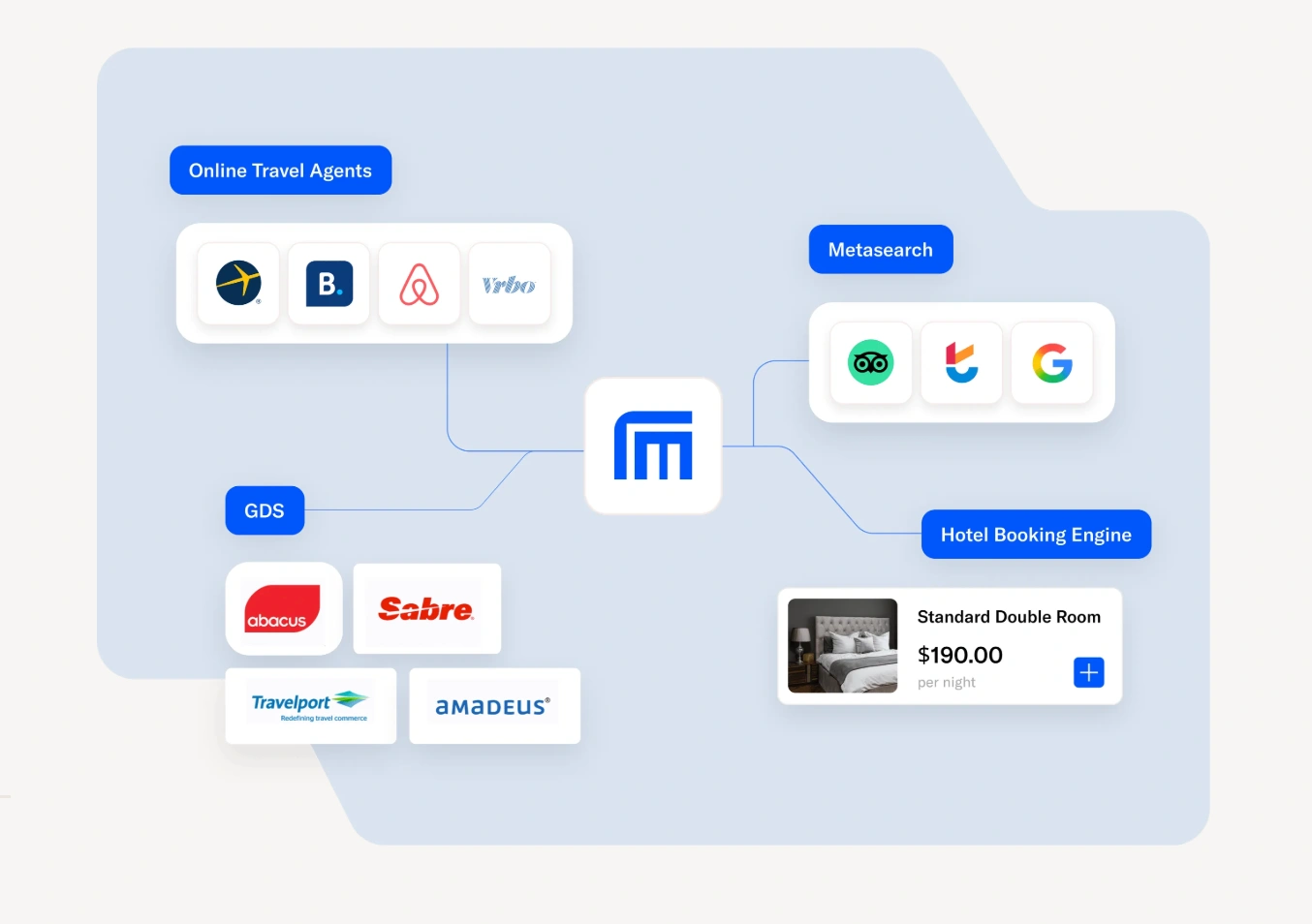
To make your offers feel seamless and intentionally personal, hotels use PMS and CRM data to capture guest preferences, train staff to reference previous visits, and coordinate across departments. Additionally, the roommaster Channel Manager connects hotels to hundreds of online travel agencies (OTAs) and major global distribution systems (GDSs). This automated distribution ensures consistent pricing, synchronized inventory, and detailed performance analytics. Properties using it have reduced distribution time by up to 85%, expanding their market reach and avoiding overbookings.
Introducing new hotel technology forms part of upgrading your hotel operations, but getting staff to adopt the changes completes the process. Without adoption, even the best systems fail if teams across food & beverage, front desk and housekeeping revert to old habits.
To secure full adoption and smooth operations across the property, hotels must provide hands-on training, schedule regular refresher sessions, gather staff feedback on usability, and reward the consistent use of new tools.
Effective hotel operations management involves more than just keeping things running smoothly. A few tried‑and‑tested best practices can make all the difference in optimizing guest satisfaction, revenue generation, and long‑term success.
Here are 10 best practices that should be in every hotel’s playbook:
Guest satisfaction is crucial for building loyalty and encouraging repeat business. A guest-centric culture, powered by real-time data, delivers personalized services that meet individual needs.
By making guests feel heard and valued, hotels can boost both ratings and return bookings. Implementing tools like roommaster can help track guest sentiment and feedback seamlessly, providing actionable insights that enhance every guest’s experience.
Happy staff lead to happy guests, so investing in staff training is a key practice for operational success. In 2025, 65% of hotel managers who focused on staff training saw a 20% increase in guest satisfaction scores.
Training programs covering role-specific skills, communication, and stress management enable employees to handle any situation with confidence. This investment not only improves service quality but also boosts employee morale and reduces turnover. roommaster can help streamline training schedules and track performance, so that every member of your team is up to speed.
By now, it’s well established that technology is essential for streamlining hotel operations. For example, hotels that adopted automated check-in/check-out systems witness a significant reduction in guest wait times during peak hours.
The right property management systems (PMS) and point-of-sale (POS) systems improve workflows, allowing the front desk to focus more on guest engagement. With tools like roommaster, hotels can integrate all operational tasks, like reservations, billing, and guest requests, into one system, reducing inefficiencies and enhancing the guest experience.
Managing inventory efficiently can significantly impact a hotel’s profitability. Real-time inventory tracking ensures that departments like housekeeping, maintenance, and food & beverage always have the supplies they need, when they need them.
roommaster helps manage inventory across departments, providing real-time updates and alerts to prevent shortages and waste, thereby supporting sustainability efforts and reducing costs.
Cost control is vital to the success of any hotel. Regularly evaluating operational costs through detailed financial dashboards allows hotel managers to track spending and adjust strategies as needed.
By making data-driven decisions, hotels can reduce waste, improve resource allocation, and cut unnecessary costs, all while maintaining high-quality guest service. roommaster provides insights into key financial areas, helping managers monitor expenses and improve profitability.
A hotel’s success relies on smooth coordination among departments such as front desk, housekeeping, and maintenance. Systems that integrate communication, such as roommaster, make it easier to keep all teams on the same page.
roommaster’s inter-department guest communication systems allow instant updates and notifications for everything from guest requests to room status changes. Daily briefings between department heads can ensure everyone understands priorities and expectations, preventing miscommunication.
Also, using shared KPI dashboards within roommaster gives a real-time overview of key performance indicators across all departments, ensuring everyone stays aligned with hotel goals.
Regular quality checks play a critical role in maintaining a hotel’s reputation. Standard Operating Procedures (SOPs) must be in place to guide employees in handling tasks, from checking in guests to cleaning rooms.
roommaster helps ensure SOPs are followed by tracking tasks and providing reminders. Regular inspections, whether scheduled or through mystery guest programs, allow managers to see where improvements are needed. Mystery guests are invaluable in delivering unbiased feedback about the guest experience, helping you understand what works and where your hotel can improve.
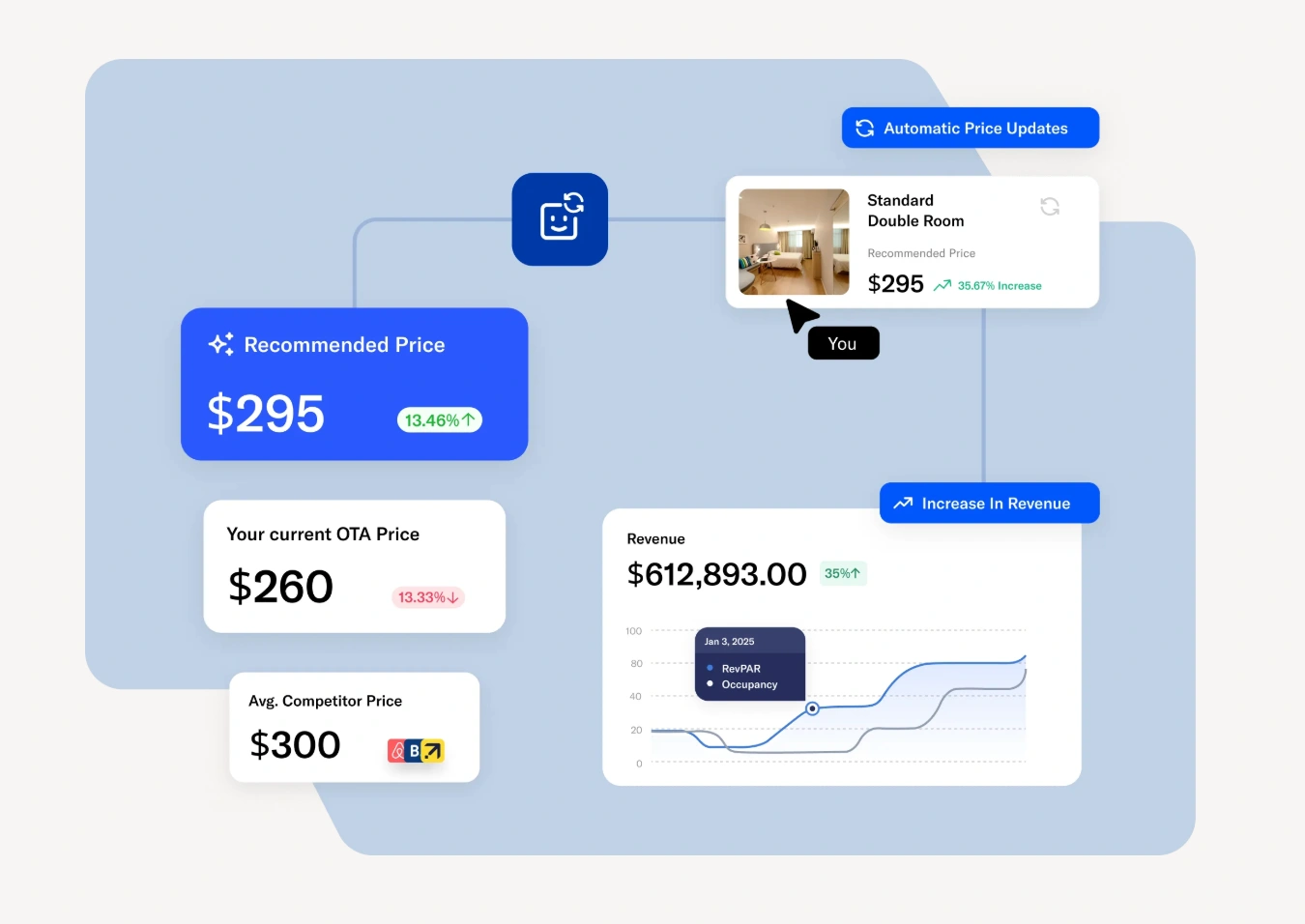
Revenue management is an essential part of hotel profitability. Dynamic pricing strategies can help adjust rates based on demand, maximizing revenue during peak times and maintaining competitiveness during slower periods. roommaster improves demand forecasting accuracy by providing historical data and analytics to predict high- and low-demand seasons with its integration to ampliphi RMS.
Additionally, optimizing the channel mix, ensuring that rooms are available through the proper distribution channels, can increase visibility and revenue. roommaster’s booking engines enable seamless management of room availability and pricing across various platforms.
📌Also read: How roommaster and ampliphi AI Work Together to Automate Smarter Hotel Pricing
Sustainability is becoming a top priority for many hotels. Implementing energy management systems is crucial for reducing costs and minimizing environmental impact.
Waste reduction programs also play a big role in sustainability efforts. For example, switching to digital invoicing and reducing paper waste can save money and help the environment. Many hotels are also opting for green certifications, which roommaster tracks and reports on, assisting properties to gain recognition for their sustainability efforts.
Consistently measuring your hotel’s performance is essential for identifying areas of improvement. Key performance indicators such as occupancy, RevPAR (Revenue Per Available Room), and guest satisfaction scores provide managers with a clear picture of the hotel's performance.
With roommaster, tracking these KPIs is easier than ever, with real-time updates and comprehensive analytics. By benchmarking against competitors, you can better understand your market position and refine your strategies. Continuous improvement cycles also help address weaknesses, celebrate successes, and drive progress within your team.
A well-prepared crisis management plan is crucial in navigating unexpected disruptions. Whether dealing with natural disasters, cyberattacks, or public relations mishaps, being able to respond quickly and effectively can make or break an organization. Here's a breakdown of how to manage crises with confidence:
Crisis situations vary widely depending on the industry and scale. For instance, a hotel might face a health crisis, such as an outbreak of illness, requiring immediate response measures, including enhanced sanitation protocols and guest communication.
In contrast, a cybersecurity breach in a retail chain calls for a complete system shutdown and communication with customers to protect sensitive data. According to a 2025 report, cybersecurity breaches increased by 75% last year, highlighting the growing threat businesses face to maintaining operational security.
A solid crisis management framework typically follows four phases:
Preparation involves training staff and developing a response plan for potential crises. The response phase kicks in once a crisis occurs, where quick action and clear communication are key. Recovery is about getting back to normal as soon as possible, while mitigation focuses on preventing future crises by analyzing lessons learned. Hotels, for example, may prepare by conducting regular emergency drills and setting up communication protocols with emergency services.
Clear communication is a pillar of effective crisis management. During a crisis, it is critical to maintain transparency with all stakeholders, whether customers, employees, or suppliers.
Establishing dedicated communication channels, such as a crisis response hotline or email, ensures messages are timely and accurate.
📌Also read: The Ultimate Hotel Housekeeping Checklist Guide
The front office is the first point of contact for guests, and its efficiency significantly impacts the guest experience. Let's dive into some tactics that can enhance front office operations:
The hospitality industry is constantly evolving, and staying ahead of the curve is key to long-term success. With the rise of AI-powered personalization, real-time data analytics, and sustainability-driven strategies, hotels are investing in technology to offer guests better experiences while increasing operational efficiency.
Let's take a look at some of the future trends in hotel operations that will shape the industry in the coming years:
The future of hotel operations is being shaped by technology, sustainability, and a stronger focus on guest experiences. As hotels continue to adopt these trends, they will stay ahead of the curve and offer more tailored services to travelers.
To make this process easier, roommaster provides an all-in-one platform that streamlines hotel management, automates daily operations, and delivers seamless guest experiences. Its powerful tools make it easy to manage reservations, track performance, and personalize services for every guest.
Ready to take your hotel operations to the next level? Schedule a demo with roommaster today to see how we can help you stay ahead.
Hotel operations involve managing daily activities across front desk, housekeeping, food and beverage, maintenance, and guest services to deliver smooth, efficient, and memorable experiences.
A hotel operations manager oversees staff, coordinates departments, monitors performance, handles guest satisfaction issues, manages budgets, and ensures seamless hotel operations while maintaining high service quality and profitability.
Some of the most common challenges include managing labor efficiently, maintaining guest satisfaction, controlling operational costs, optimizing inventory, adopting new technologies, and balancing quality service with profitability across multiple departments.
Hotels can improve performance by analyzing guest feedback, optimizing workflows, and reducing costs. roommaster helps by automating reservations, centralizing operations, and providing actionable insights for better decision-making.
Hotels need property management systems, mobile check-in tools, AI chatbots, contactless payment solutions, smart room controls, and data analytics platforms to manage operations efficiently and enhance guest experiences.
{{cta-strip}}
.avif)
The transition to roommaster is straightforward and efficient. Our implementation team handles data migration including reservations, guest profiles, and historical information.
See how roommaster's unified platform can work for your property. Our team will walk you through features tailored to your specific needs and operations.